Centrifugal Pump Suppliers

When you need centrifugal pump suppliers who deliver performance, reliability, and expert support, MultiTorque leads the way across Australia. With decades of experience in pump supply, service, and repair, we specialize in centrifugal pump solutions tailored for industries like mining, wastewater, oil & gas, agriculture, and manufacturing.

If you’re looking for a pump that can move fluids efficiently and handle demanding applications, choosing the right supplier is just as critical as choosing the right pump.

What Makes a Good Centrifugal Pump Supplier?

Not all centrifugal pump suppliers are created equal. The best suppliers don’t just sell pumps—they partner with you to ensure long-term performance and cost savings.

Here’s what to look for:

1. Product Knowledge
A trusted supplier understands flow rate, head pressure, NPSH, and how to match pump specs with your unique site conditions.

2. Quality Brands
Reliable suppliers work with reputable manufacturers like Napco, NOV, Orbit, and Wilden to deliver long-lasting, high-efficiency pumps.

3. In-House Repairs and Servicing
A good supplier doesn’t disappear after the sale. They offer repairs, rebuilds, spare parts, and support long after installation.

4. Fast Turnaround and Stock Availability
Downtime is expensive. Leading suppliers stock critical components and offer fast delivery to minimize interruptions.

5. Custom Solutions
For sites with unique pumping requirements, the best suppliers offer modified or custom-built pump systems.

Why Centrifugal Pumps Are the Go-To Choice

Centrifugal pumps use a rotating impeller to generate velocity and push fluid outward through the pump casing. They’re ideal for:

  • High-volume fluid transfer

  • Water and wastewater handling

  • Slurry pumping (with the right impeller)

  • Chemical dosing

  • Cooling systems and irrigation

Their simple design means lower upfront costs, minimal maintenance, and high flow rates.

At MultiTorque, we supply both horizontal and vertical centrifugal pumps, with options for stainless steel, cast iron, or duplex materials to suit your fluid type.

Who Uses Centrifugal Pumps?

Centrifugal pumps are used everywhere from the farm to the factory floor:

  • Mining companies use them for slurry, water transfer, and dewatering

  • Municipal water treatment plants rely on them for filtration, chlorination, and transfer systems

  • Industrial sites use centrifugal pumps for cooling, heating, and process fluid circulation

  • Agricultural operators use them for irrigation, spraying, and livestock watering systems

MultiTorque: Australia’s Trusted Centrifugal Pump Supplier

With workshops in Perth and Brisbane, MultiTorque is proud to be a leading name among centrifugal pump suppliers. We go beyond just supply—we partner with you to maximize uptime and optimize flow performance.

What We Offer:

  • ✅ Centrifugal pump supply from top brands

  • ✅ Full system builds, including trailer and skid-mounted options

  • ✅ Repairs, part replacements, and impeller upgrades

  • ✅ In-house pump testing and calibration

  • ✅ On-site assessments and mobile servicing

We also custom-fabricate pump setups for tough Australian conditions—whether you’re on a mine site, a rural property, or a factory floor.

Why Customers Choose MultiTorque

  • 15+ years in the pumping industry

  • Specialists in centrifugal and progressive cavity pumps

  • Fast, honest service with zero fluff

  • Long-term relationships built on trust and technical skill

  • Custom engineering capabilities to match your exact needs

When it comes to centrifugal pump supply, we’re not just here to make a sale—we’re here to build a solution that works.

Get In Touch

Need a quote or technical advice on the right centrifugal pump for your job? Let’s talk.

Visit our site: www.multitorque.com.au
Follow us on LinkedIn: MultiTorque LinkedIn
📞 Call 1300 726 525
📧 Email: sales@multitorque.com
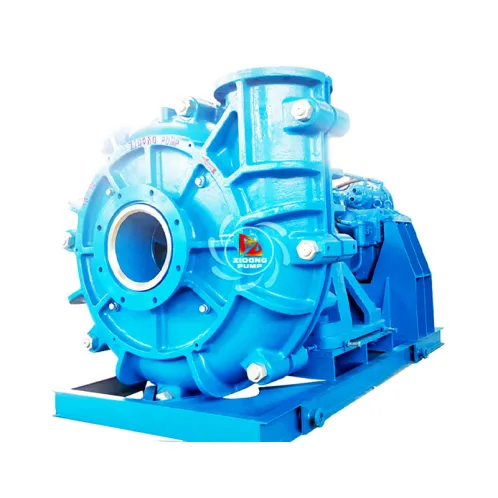
Horizontal Centrifugal Pump

The horizontal centrifugal pump is one of the most widely used pump types across industrial, agricultural, and commercial sectors. Known for its reliability, simplicity, and efficient performance, this pump style is ideal for moving large volumes of fluid with minimal fuss. If you’re in need of a cost-effective, high-flow pump solution, a horizontal centrifugal pump may be the perfect fit.

What Is a Horizontal Centrifugal Pump?

A horizontal centrifugal pump is a dynamic pump where the shaft is mounted horizontally to the ground, and the motor and pump are aligned side-by-side. It uses a rotating impeller to transfer energy to the fluid, creating flow and pressure through centrifugal force. These pumps are a staple in fluid handling due to their ease of maintenance and suitability for a wide range of applications.

Unlike vertical pumps, horizontal centrifugal pumps are typically easier to access for servicing, require less overhead space, and can be mounted on skids, trailers, or bases for flexibility.

How Does It Work?

Horizontal centrifugal pumps operate on a simple principle: when the impeller rotates, it imparts kinetic energy to the fluid, pushing it outward through the pump casing and into the discharge line. The low-pressure area at the impeller’s eye draws more fluid into the pump, resulting in continuous flow.

The efficiency of this process makes horizontal centrifugal pumps ideal for transferring water, chemicals, slurries, and oil-based fluids in systems where a steady, high-volume flow is needed.

Advantages of Horizontal Centrifugal Pumps

1. Simple Design
Horizontal centrifugal pumps have fewer moving parts than positive displacement pumps, making them easier to maintain and less prone to mechanical failure.

2. Space Efficient
With the pump and motor mounted side-by-side, they are compact and ideal for installation in skid-based systems or equipment rooms.

3. High Flow Rates
Capable of moving large volumes of liquid quickly, they’re perfect for water transfer, irrigation, and processing.

4. Easy Maintenance
Their horizontal orientation provides easy access to internal components, allowing for faster repairs and part replacements.

5. Cost-Effective Operation
Low initial cost and low operating expenses make them a smart choice for high-duty cycle systems.

Common Applications

Horizontal centrifugal pumps are used in a wide variety of industries:

  • Water Treatment Plants: For pumping treated and untreated water

  • Agriculture: Irrigation systems and drainage

  • Mining and Dewatering: Removing excess water from pits and tunnels

  • HVAC Systems: Circulating water and coolants

  • Oil and Gas: Fluid transfer, wash-down systems, and chemical handling

  • Manufacturing: Moving liquids in processing, mixing, and cooling operations

Key Considerations When Choosing a Horizontal Centrifugal Pump

  • Flow rate requirements

  • Total dynamic head (TDH)

  • Fluid type and viscosity

  • Temperature and pressure conditions

  • Pump material compatibility with your fluid

At MultiTorque, we help customers choose the ideal horizontal centrifugal pump for their system, ensuring optimal performance and longevity.

Maintenance Tips

To keep your pump running at peak performance:

  • Regularly inspect bearings and seals

  • Flush the system if handling abrasive or corrosive fluids

  • Ensure proper alignment between pump and motor

  • Monitor for vibration or noise

  • Replace worn impellers or casings promptly

Preventative maintenance reduces downtime and maximizes your investment.

Why Choose MultiTorque?

With over 15 years of experience, MultiTorque supplies, services, and repairs a wide range of horizontal centrifugal pumps across Australia. From high-volume water transfer to custom-engineered pump skids, we provide tailored solutions for mining, agriculture, wastewater, and more.

We work with top brands like Napco, NOV, Wilden, Orbit, and CAT Pumps. Our in-house team can modify or custom-build systems to meet your exact specs.

✔ Servicing clients across Perth and Brisbane

✔ Fast turnaround times and expert advice

✔ Pump parts, repairs, and full system builds available

To learn more about our pump range and services, visit www.multitorque.com.au or connect with us on LinkedIn: MultiTorque LinkedIn


Call MultiTorque today at 1300 726 525 or email sales@multitorque.com to find the perfect horizontal centrifugal pump for your project.


Meta Description:
Need a reliable horizontal centrifugal pump? MultiTorque supplies and services top-tier centrifugal pumps across Australia. Call 1300 726 525 today!


Gear Pumps for Oil

When it comes to transferring oil efficiently, gear pumps for oil are one of the most reliable and effective options available. Built for consistency and durability, these positive displacement pumps are used across industrial, automotive, and lubrication applications due to their ability to handle viscous fluids and deliver steady flow at high pressure.

What Are Gear Pumps?

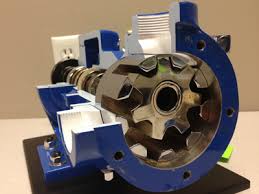
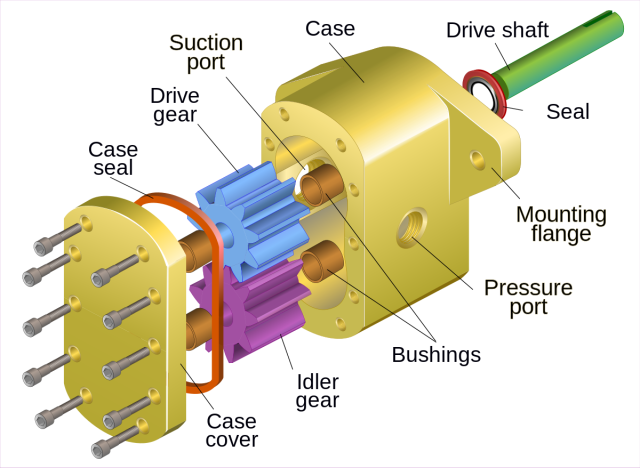
A gear pump is a type of positive displacement pump that uses meshing gears to move fluids. These pumps work by trapping oil between the teeth of two rotating gears and the pump casing, then transferring it from the inlet side to the outlet side with precision.

Because gear pumps generate flow with tight internal clearances and minimal pulsation, they’re especially suited for handling viscous liquids like motor oil, hydraulic oil, gear lube, and synthetic lubricants.

How Gear Pumps Work

Gear pumps come in two main types:

  • External Gear Pumps: Feature two identical gears rotating against each other. Oil enters the pump as the gear teeth unmesh, creating a void. The oil is then carried around the outer casing and exits when the gears mesh again.

  • Internal Gear Pumps: Contain a larger outer gear and a smaller inner gear, offset inside the casing. These provide smoother, quieter operation and are ideal for applications requiring compact, low-noise designs.

Both types maintain a steady, pulse-free flow, making them ideal for metering and lubrication.

Why Gear Pumps Are Ideal for Oil

1. Viscosity Handling
Gear pumps thrive when dealing with viscous fluids. Whether it’s thick hydraulic oil or cold gear lube, these pumps provide smooth, continuous flow without performance loss.

2. High Pressure Capability
Many gear pumps can handle pressures up to 3000 psi, which is more than sufficient for oil transfer, circulation, and injection applications.

3. Compact Design
Gear pumps have a small footprint, making them ideal for installations where space is limited — such as skid-mounted units or mobile equipment.

4. Minimal Maintenance
Thanks to fewer moving parts and tight tolerances, gear pumps are known for their durability and long service intervals.

Common Applications of Gear Pumps for Oil

  • Hydraulic Oil Transfer: Used in mobile machinery, industrial systems, and hydraulic power units.

  • Engine Lubrication: Circulates oil in diesel engines and generators.

  • Industrial Lubrication Systems: Maintains flow in automated grease and oil lubrication systems.

  • Oil Filtration and Fuel Polishing: Transfers oil through filters to maintain clean systems.

  • Marine and Mining Equipment: Handles heavy-duty oil transfer and circulation in tough environments.

Selecting the Right Gear Pump

When choosing a gear pump for oil, consider:

  • Viscosity range of the oil being pumped

  • Required flow rate (usually measured in litres per minute)

  • System pressure

  • Temperature range

  • Material compatibility (cast iron, stainless steel, or bronze)

At MultiTorque, we help you match the right gear pump to your specific oil type, application, and operating conditions.

Gear Pump Maintenance Tips

  • Monitor for Wear: Over time, gears and internal clearances may wear, reducing efficiency. Inspect regularly.

  • Check Seals and Gaskets: Leaks around the shaft or casing can be resolved by replacing seals.

  • Use Clean Oil: Dirty oil accelerates wear. Use filters and perform oil changes as recommended.

  • Lubricate Bearings: Some gear pumps rely on oil-lubricated bearings. Keep them in top shape.

Preventative maintenance helps avoid unexpected breakdowns and keeps oil systems running at full capacity.

MultiTorque: Your Trusted Gear Pump Partner

At MultiTorque, we specialize in supplying and servicing gear pumps for oil and other industrial pump systems. We understand the needs of Australia’s heavy-duty sectors, offering:

  • Custom-fit solutions for oil handling systems

  • Genuine parts and servicing

  • Local support in Perth and Brisbane

  • Fast turnaround and professional advice

Whether you need a single pump or a complete system, we have the tools and expertise to deliver.

Visit us at www.multitorque.com.au or follow us on LinkedIn: MultiTorque LinkedIn to learn more.


Call 1300 726 525 or email sales@multitorque.com to order your gear pump for oil today!

Gear Pumps for Oil

Gear Pumps for Oil

Gear Pumps for Oil

Gear Pumps for Oil


Piston Water Pump

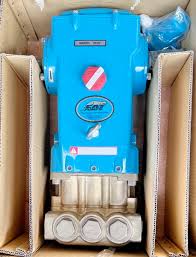
A piston water pump is a robust and efficient type of positive displacement pump widely used across industries for moving water and other liquids. Known for its strong suction capabilities and steady flow, the piston pump is ideal for applications requiring high pressure and consistent output.

What Is a Piston Water Pump?

A piston water pump works by using a piston inside a cylinder to create pressure and move liquid. As the piston moves back and forth, it creates suction that draws water into the pump chamber. Then, the forward stroke pushes the water out through an outlet valve, delivering water at a controlled flow rate and pressure.

This design makes piston pumps highly effective for pumping water over long distances or to higher elevations, making them a popular choice in irrigation, industrial processes, mining, and water supply systems.

How Does a Piston Water Pump Work?

The key to a piston pump’s operation is the reciprocating piston. During the intake stroke, the piston moves backward, creating a vacuum that opens the inlet valve and draws water into the cylinder. On the delivery stroke, the piston pushes forward, closing the inlet valve and forcing the water out through the discharge valve.

This cycle repeats continuously, allowing the pump to deliver a steady and reliable flow. Unlike centrifugal pumps, piston pumps maintain constant flow regardless of pressure changes, which makes them excellent for high-pressure water transfer applications.

Types of Piston Water Pumps

There are several types of piston pumps, including:

  • Single-Acting Piston Pump: Water is pumped during only one stroke of the piston (usually the forward stroke). This type is simpler but delivers a pulsating flow.

  • Double-Acting Piston Pump: Water is pumped during both the forward and backward strokes, providing a smoother, more continuous flow.

  • Plunger Pump: A variation where a plunger (instead of a piston) moves inside a cylinder. It is commonly used for very high-pressure applications.

Each type offers distinct advantages depending on the application, pressure requirements, and flow rates needed.

Advantages of Piston Water Pumps

  • High Pressure Capability: Piston pumps can generate very high pressures, making them suitable for industrial cleaning, boiler feed water, and irrigation systems.

  • Positive Displacement: Ensures a constant flow regardless of pressure variations, which is essential for precision water delivery.

  • Durability: Designed for heavy-duty use, piston pumps are built with strong materials and withstand harsh environments.

  • Efficiency: High volumetric efficiency reduces energy consumption compared to other pump types when operating under pressure.

Common Applications

Piston water pumps are widely used in:

  • Agriculture: Irrigation systems benefit from their high-pressure capabilities for watering large fields efficiently.

  • Industrial Processes: Used for transferring water, chemicals, or coolants in manufacturing plants.

  • Mining and Construction: For dewatering and supplying water to remote sites.

  • Municipal Water Supply: Pumping clean water to residential and commercial areas.

  • Firefighting Equipment: Providing reliable high-pressure water flow in firefighting systems.

Maintenance Tips for Piston Water Pumps

To ensure a long service life and reliable operation:

  • Regularly inspect and replace worn seals and valves.

  • Lubricate moving parts as recommended by the manufacturer.

  • Check for leaks and tighten fittings promptly.

  • Flush the pump to remove debris and prevent clogging.

  • Schedule professional servicing periodically.

Proper maintenance keeps piston water pumps operating efficiently and avoids costly downtime.

Why Choose MultiTorque for Your Piston Water Pump Needs?

At MultiTorque, we supply, service, and repair a wide range of piston water pumps tailored to your specific industry requirements. With over 15 years of experience servicing pumps across Australia, including Perth and Brisbane, we pride ourselves on reliability, safety, and custom solutions.

Whether you need a new pump, spare parts, or expert repairs, our team offers personalized service to ensure your operations run smoothly.

Learn more about our pump solutions and services by visiting our website at www.multitorque.com.au or connect with us on LinkedIn: MultiTorque LinkedIn.


Contact MultiTorque today at 1300 726 525 or email sales@multitorque.com to discuss your piston water pump requirements!

https://www.linkedin.com/company/3176927


Centrifugal Slurry Pump

In industries where grit, sludge, and abrasive particles are the norm, a standard water pump just won’t cut it. Enter the centrifugal slurry pump—a rugged, high-performance workhorse engineered to move solids-laden fluids without clogging, breaking down, or losing efficiency.

At MultiTorque, we supply, service, and repair centrifugal slurry pumps across Australia. From mining and quarries to wastewater treatment and dredging, we’ve got the pump power to move the unmovable.

What Is a Centrifugal Slurry Pump?

A centrifugal slurry pump is a dynamic pump designed specifically for transferring slurries—liquids that contain suspended solids such as sand, silt, coal, tailings, or ore.

Using centrifugal force generated by a rotating impeller, the pump accelerates the slurry outward into a volute or casing, converting rotational energy into flow and pressure. These pumps are specifically reinforced to resist abrasion, corrosion, and extreme wear.

Key Features of Slurry Pumps

Unlike standard centrifugal pumps, slurry pumps feature:

  • Extra-Heavy-Duty Construction: Thicker walls, larger bearings, and heavy-duty shafts.

  • Replaceable Liners: Often rubber, ceramic, or high-chrome alloy to resist wear.

  • Oversized Passages: To allow solid particles to pass without clogging.

  • Sealing Options: Including expeller, gland packing, or mechanical seals for aggressive slurries.

  • Low RPM Operation: To reduce wear while maintaining torque and pressure.

Typical Applications

Slurry pumps are widely used across high-demand sectors where other pumps simply fail:

  • Mining & Mineral Processing: Tailings, sand, gravel, and thick slurry transport.

  • Quarry Operations: Mud, grit, and wash-down runoff pumping.

  • Wastewater Treatment: Thickened sludge, biosolids, and screenings.

  • Dredging: Sediment and silt removal in rivers, harbours, and lagoons.

  • Construction: Bentonite slurry, concrete water, and drilling mud.

  • Power Generation: Fly ash slurry and bottom ash handling.

Advantages of Centrifugal Slurry Pumps

  • Handles High Solids Content: Designed for slurries with up to 70% solids by weight.

  • Long Service Life: Resistant to wear and tear from harsh materials.

  • High Flow Rates: Capable of pumping hundreds to thousands of litres per minute.

  • Easy Maintenance: Modular parts make them easy to rebuild and service on-site.

  • Versatile Configurations: Horizontal or vertical, base-mounted or skid-mounted.

Technical Specifications

When choosing the right slurry pump, consider:

  • Flow Rate: From 10 L/min up to 10,000+ L/min depending on impeller and casing.

  • Head (Pressure): Usually up to 80–100 metres in high-duty models.

  • Solids Size: Capable of handling particles up to 75 mm or more.

  • Materials:

    • Casing: Cast iron or high-chrome alloy

    • Liners: Natural rubber, polyurethane, or ceramic

    • Impeller: Hardened steel or elastomer-coated

  • Seal Types: Gland packing, mechanical seals, or expeller seals based on slurry properties.

Maintenance Tips

To extend pump life and reduce downtime:

  • Monitor impeller clearance regularly and adjust as needed.

  • Replace worn liners before they damage the casing.

  • Flush seals to prevent abrasive build-up.

  • Inspect bearings and shaft seals frequently in abrasive environments.

  • Use OEM parts to maintain efficiency and durability.

Why MultiTorque?

At MultiTorque, we’ve built a reputation for delivering high-performance pump solutions that last. Whether it’s a mobile slurry unit for a remote mining camp or a fixed installation at a wastewater plant, we’ll tailor the pump to match your exact needs.

We work with leading pump brands and stock high-wear parts to keep your system running strong—because downtime isn’t an option when you’re pumping rocks through steel.


Need a centrifugal slurry pump that can eat grit for breakfast? Call MultiTorque on 1300 726 525 or email sales@multitorque.com today.

🔗 Visit our website: https://www.multitorque.com.au
🔗 Connect on LinkedIn: https://www.linkedin.com/company/multitorque-industries


Rotary Piston Pump

When your process demands consistent flow, high suction lift, and the ability to move viscous or abrasive fluids, the rotary piston pump delivers. Built for tough environments and engineered for accuracy, rotary piston pumps are widely used across oil & gas, chemical processing, paint, ink, and high-viscosity applications.

At MultiTorque, we provide Australian industries with robust rotary piston pumps designed for performance and built to last. Whether you need a stationary setup or a mobile pumping unit, our team has the gear and know-how to make it happen.

What Is a Rotary Piston Pump?

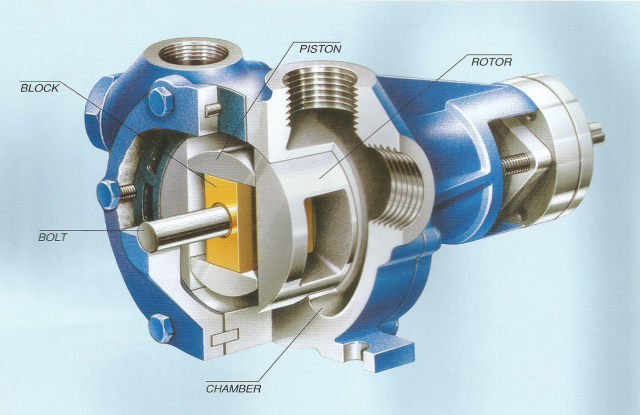
A rotary piston pump is a type of positive displacement pump that uses one or more pistons moving in a rotary motion to draw fluid into a chamber and then expel it through an outlet. Unlike reciprocating piston pumps, rotary piston pumps operate continuously, delivering a steady, low-pulsation flow.

They’re ideal for fluids that are too viscous or abrasive for centrifugal pumps, and they thrive in high-pressure or high-temperature environments where other pump types struggle.

How It Works

Rotary piston pumps use eccentrically mounted pistons or plungers within a cylindrical chamber. As the rotor turns, the piston slides in and out of the chamber, drawing in and expelling fluid with each rotation. Internal sealing vanes or timing gears ensure tight tolerances and high efficiency.

This design allows for:

  • High suction capability

  • Accurate flow control

  • Low-shear handling

  • Minimal pulsation compared to other positive displacement pumps

Key Benefits of Rotary Piston Pumps

  • Handles Viscous Fluids: Ideal for molasses, grease, paints, inks, oils, and slurries.

  • High Suction Lift: Can draw fluid from depths without priming.

  • Precise Dosing: Consistent flow rates make it perfect for metering and batching.

  • Durable Construction: Handles abrasives, corrosives, and high temperatures with ease.

  • Low Pulsation: Smooth discharge makes it ideal for delicate processing.

  • Self-Priming & Reversible: Flexible operation for tank loading, transfer, and draining.

Common Applications

Rotary piston pumps are used across industries that demand control and durability:

  • Oil & Gas: Crude oil transfer, lube oil circulation, heavy fuel handling.

  • Paint & Coatings: Transfers paints, varnishes, solvents, and adhesives.

  • Food Processing: Molasses, syrups, honey, chocolate, and vegetable fats.

  • Chemical Plants: Aggressive or high-viscosity chemicals, resins, and polymers.

  • Pharmaceuticals: Gels, creams, and high-viscosity actives where clean handling is critical.

  • Agriculture: Dosing of thick nutrient solutions and supplements.

Technical Specs & Configurations

  • Flow Rates: From 5 L/min to 1,200+ L/min depending on size and rotor speed.

  • Pressure Range: Typically up to 20 bar (290 psi).

  • Viscosity Handling: From 10 cP up to 1,000,000+ cP with proper configuration.

  • Material Options:

    • Pump body: Stainless steel, cast iron, or bronze.

    • Seals: Mechanical, lip, or packed—depending on chemical compatibility.

    • Pistons: Coated for wear resistance or designed for CIP (Clean-in-Place).

  • Mounting Options: Skid-based, wall-mounted, or fully mobile trailer units.

Maintenance & Longevity

Rotary piston pumps are built to last—but ongoing inspection is key:

  • Monitor piston seals and internal vanes for wear.

  • Flush the system when switching between fluids.

  • Lubricate according to spec to avoid seal damage or dry runs.

  • Use OEM parts to preserve tolerances and certifications.

With the right care, these pumps can run for tens of thousands of hours with minimal servicing.

Why Choose MultiTorque?

MultiTorque is your go-to Australian supplier for industrial pumping solutions. We’ve been in the game for 15+ years and know exactly how to configure, install, and maintain rotary piston pumps for your operation—whether you’re transferring fuel oil, molasses, or epoxy resin.

We offer:

  • Expert product selection

  • On-site servicing

  • Mobile pump trailers

  • Fast access to spares and parts


Need a rotary piston pump tailored to your process? Call MultiTorque today on 1300 726 525 or email sales@multitorque.com.

🔗 Visit us at: https://www.multitorque.com.au
🔗 Connect on LinkedIn: https://www.linkedin.com/company/multitorque-industries


internal gear pump.

When it comes to moving thick, viscous, or lubricating fluids with precision and quiet efficiency, few pumps compare to the internal gear pump. Compact, durable, and self-priming, this pump style is a workhorse across industries like oil & gas, food processing, chemical manufacturing, and lubrication systems.

At MultiTorque, we supply, repair, and support internal gear pumps across Australia, helping industrial operators keep their systems flowing with zero fuss.

What Is an Internal Gear Pump?

An internal gear pump is a type of positive displacement pump that uses two intermeshing gears—one inside the other—to move fluid. The outer gear (called the rotor) drives the inner gear (called the idler), creating a sealed cavity that transports fluid from the inlet to the outlet.

A crescent-shaped spacer between the gears maintains separation and optimises flow, allowing for smooth, continuous transfer with very little pulsation.

How It Works

  1. Fluid enters the pump casing through the inlet.

  2. As the gears rotate, they create expanding cavities that draw fluid in.

  3. The fluid is carried between the gear teeth and the casing.

  4. As the gears re-mesh on the outlet side, the cavity size decreases, pushing the fluid out under pressure.

The result? Smooth, reliable flow even with high-viscosity or shear-sensitive fluids.

Key Features and Benefits

  • Self-Priming: Can lift fluids from below pump level, ideal for tank-to-tank transfer.

  • Handles Viscous Fluids: Excellent for gear oil, molasses, adhesives, asphalt, and more.

  • Reversible Flow: Can operate in either direction without modification.

  • Compact and Quiet: Low noise and vibration compared to external gear or vane pumps.

  • Precise Flow Control: Great for dosing or metering applications with thick liquids.

Common Applications of Internal Gear Pumps

Internal gear pumps are used across a wide range of industries, including:

  • Lubrication Systems: Gear oil, transmission fluid, or hydraulic oil recirculation.

  • Chemical Processing: Resins, polymers, solvents, and acids (with appropriate materials).

  • Food & Beverage: Chocolate, syrup, vegetable oil, and other high-viscosity food-grade fluids.

  • Asphalt & Bitumen Transfer: Ideal for hot, thick fluids requiring high-pressure delivery.

  • Paints & Coatings: Enamel, varnish, and ink that require low shear handling.

Technical Specs and Configuration Options

When specifying an internal gear pump, consider the following:

  • Flow Rate: Ranges from under 1 L/min to over 1,000 L/min depending on size and speed.

  • Pressure: Typically up to 15 bar (217 psi), with some models handling more.

  • Viscosity Range: Can handle fluids from 1 cP (water-like) to over 1,000,000 cP (paste-like).

  • Materials of Construction:

    • Body: Cast iron, stainless steel, or bronze

    • Gears: Steel or composite depending on chemical compatibility

    • Seals: Mechanical, lip, or packing seals

  • Mounting: Horizontal baseplate or mobile skid configurations available

Maintenance and Reliability

Internal gear pumps are known for low maintenance needs, but periodic inspection is key:

  • Check for wear on gear teeth and the crescent spacer.

  • Monitor shaft seals for leaks or degradation, especially in high-temp applications.

  • Flush the pump if switching fluids or working with sticky substances.

  • Lubricate bearings per manufacturer guidelines.

With proper care, these pumps can run for thousands of hours with minimal downtime.

Why Choose MultiTorque?

MultiTorque has spent over 15 years helping Australian industries move thick and tricky fluids with precision. Our internal gear pump solutions are backed by hands-on service, high-quality spare parts, and expert advice.

Whether you need a stationary oil transfer unit, a mobile bitumen pump setup, or a food-safe chocolate pump with heat tracing—we’ll make it happen.


Call MultiTorque today on 1300 726 525 or email us at sales@multitorque.com to speak with pump specialists who know what they’re doing.

🔗 Visit: https://www.multitorque.com.au
🔗 Connect on LinkedIn: https://www.linkedin.com/company/multitorque-industries


Rotary Lobe Pump

If you’re moving thick fluids, abrasive slurries, or delicate ingredients, a rotary lobe pump could be the missing piece in your process. Known for their gentle action, low shear, and sanitary design, rotary lobe pumps are a staple in industries where fluid integrity, hygiene, and performance matter most.

At MultiTorque, we supply and service rotary lobe pumps that keep Australian industries running—whether it’s dairy on a production line, molasses on a farm, or chemical concentrate in a plant.

What Is a Rotary Lobe Pump?

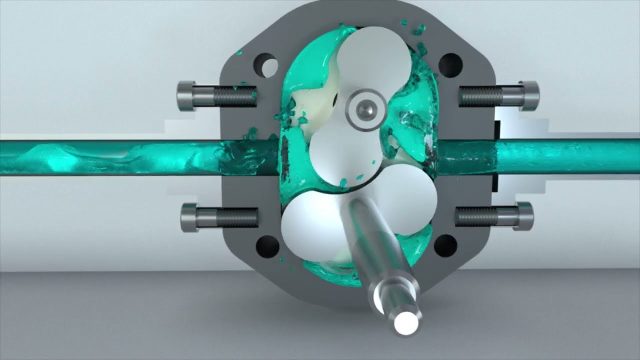
A rotary lobe pump is a type of positive displacement pump that uses two intermeshing lobed rotors to move fluid. As the lobes rotate, they trap fluid in cavities and carry it around the pump casing from the suction side to the discharge side.

Unlike gear pumps, the lobes in a rotary lobe pump never touch—reducing wear and allowing for gentle fluid transfer. This makes them ideal for applications where cleanliness, viscosity, and particle handling are important.

Key Benefits of Rotary Lobe Pumps

  • Hygienic Design: Many models are CIP (Clean-In-Place) and SIP (Steam-In-Place) compatible, making them a top choice for food, beverage, and pharmaceutical processes.

  • Low Shear Handling: Perfect for fragile fluids like cream, gel, or yogurt—preserving texture and quality.

  • Solid Handling: Can pass soft solids such as fruit chunks, curds, or meat bits without damaging them.

  • Reversible Flow: Useful for tank filling and emptying using the same pump.

  • Self-Priming: Can lift fluids from below the pump’s inlet level with ease.

  • Wide Viscosity Range: Performs well with everything from water-like fluids to ultra-thick sludges or pastes.

Common Applications for Rotary Lobe Pumps

These pumps are trusted across industries that demand both precision and durability:

  • Food & Beverage: Jams, sauces, chocolate, syrups, dairy, beer, wine.

  • Pharmaceuticals: Ointments, lotions, active ingredients, and culture suspensions.

  • Cosmetics & Personal Care: Creams, gels, shampoos, body washes.

  • Agriculture: Molasses, nutrient mixes, slurry applications.

  • Chemical Processing: Corrosive or abrasive fluids, slurries, and concentrates.

  • Wastewater Treatment: Sludge, biosolids, and thickened waste streams.

Technical Specifications

When choosing a rotary lobe pump, here are a few essential considerations:

  • Flow Rates: From 10 L/min to over 1,000 L/min depending on size and rotor type.

  • Pressure: Can operate up to 20 bar (290 PSI) in most applications.

  • Viscosity Capability: Up to 1,000,000 cP with specialized rotors.

  • Materials: Pumps are typically constructed from 316 stainless steel, with elastomers tailored to your fluid’s chemical properties (EPDM, Viton, PTFE, etc.).

  • Rotor Styles: Bi-wing, tri-lobe, or multi-lobe—each suited to different applications and viscosities.

  • Sealing Options: Mechanical seals, lip seals, or double mechanical seals depending on the application and compliance requirements.

Maintenance & Longevity

Rotary lobe pumps are built for long life, but good maintenance is key:

  • Inspect lobes and seals regularly for wear or damage.

  • Flush pump after each use in sensitive or hygienic operations.

  • Lubricate bearings and gearbox according to manufacturer specs.

  • Use genuine parts for rebuilds to maintain clearances and certifications.

Why Choose MultiTorque?

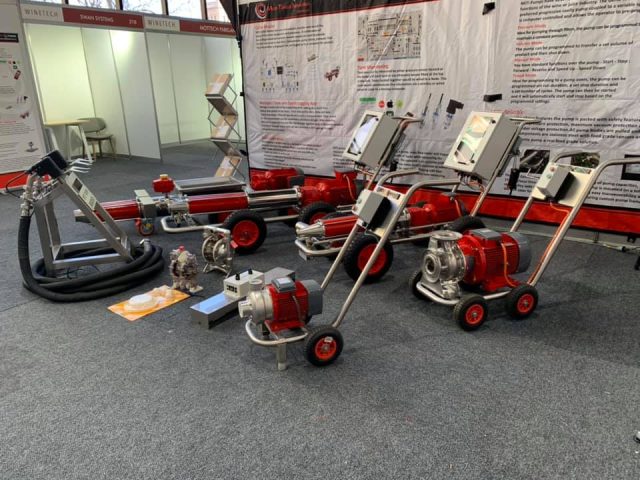
At MultiTorque, we don’t just sell pumps—we provide pumping solutions tailored to your industry, budget, and technical needs. We stock and service premium-grade rotary lobe pumps, including options for mobile setups, trailer mounting, or integration into automated systems.

With 15+ years of experience, national reach, and a no-nonsense attitude toward reliability, we help keep your production line or process plant flowing smoothly, day in and day out.


Need a rotary lobe pump that delivers consistent results with zero compromise? Call MultiTorque today on 1300 726 525 or email sales@multitorque.com.

🔗 Visit us online at: https://www.multitorque.com.au
🔗 Connect with us on LinkedIn: https://www.linkedin.com/company/multitorque-industries


Lobe Pumps

When your operation requires gentle, hygienic, and efficient fluid transfer, lobe pumps are the solution of choice. Designed to handle viscous or shear-sensitive fluids without compromising flow rate or cleanliness, these pumps are a staple in the food, beverage, pharmaceutical, and cosmetic industries. But their uses go far beyond the dairy aisle—lobe pumps are built tough enough for chemicals, oils, and slurries too.

At MultiTorque, we supply, service, and support high-performance lobe pumps across Australia, helping businesses transfer thick, high-value fluids with precision and reliability.

What Is a Lobe Pump?

A lobe pump is a type of positive displacement pump that uses two or more lobed rotors rotating in opposite directions within a casing. As the lobes rotate, fluid is trapped in the cavities between the lobes and the casing, then moved around the outside of the rotors and discharged under pressure.

Because the lobes do not make contact with each other, the fluid is transferred with minimal shear and no internal metal-to-metal contact—making lobe pumps perfect for delicate or viscous materials.

Key Features and Advantages

Lobe pumps offer a range of benefits for industries requiring precision and product integrity:

  • Gentle Pumping Action: Minimises damage to shear-sensitive fluids like creams, gels, or dairy products.

  • Sanitary Design: Ideal for food, beverage, and pharmaceutical processes; many models are CIP (Clean-in-Place) and SIP (Steam-in-Place) compatible.

  • Handles Solids & Particulates: Can pass soft solids such as fruit chunks or meat pieces without crushing.

  • High Viscosity Tolerance: Perfect for thick fluids like honey, molasses, or industrial sludge.

  • Reversible Operation: Can run in both directions—great for tank loading/unloading.

  • Low Pulsation Flow: Offers smooth, consistent flow for metering and dosing applications.

Common Applications of Lobe Pumps

Thanks to their hygienic and versatile design, lobe pumps are used across numerous industries:

  • Food & Beverage: Yogurt, sauces, jams, beer, milk, chocolate, and edible oils.

  • Pharmaceuticals & Cosmetics: Lotions, gels, syrups, creams, and ointments.

  • Chemical Processing: Corrosive chemicals, solvents, or resins.

  • Agriculture: Molasses, animal feed supplements, and nutrient solutions.

  • Waste Management: Viscous sludges and chemical waste streams.

Technical Specifications

When selecting a lobe pump, here are a few key factors to consider:

  • Flow Rate: Depending on size and model, can range from 10 to 1,000+ litres per minute.

  • Pressure Capacity: Generally up to 20 bar (290 psi), depending on pump size and fluid.

  • Viscosity Range: Handles fluids up to 1,000,000 cP with the right configuration.

  • Materials: Wetted parts are typically stainless steel for hygiene and corrosion resistance. Elastomers (seals and gaskets) vary based on chemical compatibility.

  • Seal Options: Mechanical seals, lip seals, and double-seal designs available.

  • Drive Configurations: Electric motors, gearboxes, or variable-speed drives.

Maintenance and Operational Tips

  • Keep seals lubricated and inspect regularly for wear or leaks.

  • Ensure correct alignment of pump shafts and lobes for optimal performance.

  • Flush the pump between different fluids to prevent cross-contamination.

  • Use CIP-compatible models if sanitation is a key requirement.

  • Monitor motor speed—running too fast can reduce lifespan or cause cavitation.

Why Choose MultiTorque for Lobe Pumps?

MultiTorque has over 15 years of experience supplying and servicing lobe pumps across Australia. Whether you’re in food processing, chemical manufacturing, or wastewater treatment, we’ll match you with the right pump and keep it running with expert support and spare parts on hand.

We stock trusted brands and offer custom mobile pump units, on-site servicing, and expert consultation to ensure your operation stays smooth, clean, and compliant.


Need a hygienic and powerful lobe pump for your process? Contact MultiTorque today on 1300 726 525 or email us at sales@multitorque.com.

🔗 Visit us at: https://www.multitorque.com.au
🔗 Connect with us on LinkedIn: https://www.linkedin.com/company/multitorque-industries


Fuel Diaphragm Pump

When it comes to safely transferring petrol, diesel, or other fuels, choosing the right pump can make all the difference. The fuel diaphragm pump is one of the most reliable and versatile options available, offering leak-free, self-priming performance with minimal maintenance. For industries that require dependable fuel transfer—even in remote or hazardous environments—this air-powered solution is a game-changer.

What Is a Fuel Diaphragm Pump?

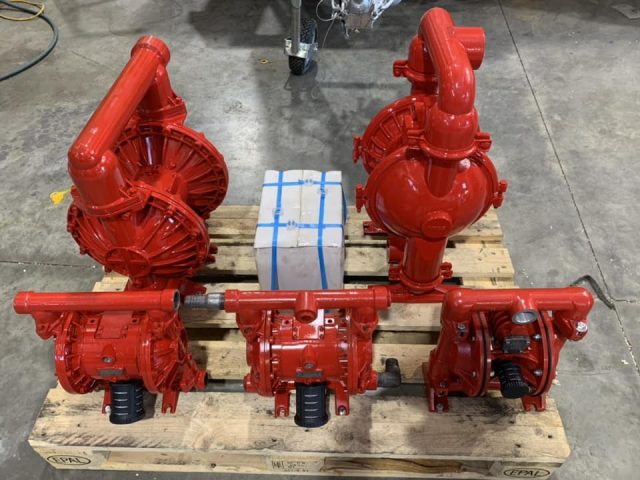
A fuel diaphragm pump, often referred to as an air-operated double diaphragm (AODD) pump, uses two flexible diaphragms that move back and forth, creating suction and discharge pressure. These pumps are powered by compressed air and have no internal electric components, making them perfect for transferring flammable or combustible liquids.

Fuel diaphragm pumps are engineered to safely move petrol, diesel, kerosene, aviation fuel, and other hydrocarbons. Their robust construction, chemical resistance, and sealless design make them ideal for critical fuel handling operations across industrial and commercial sectors.

Key Features of Fuel Diaphragm Pumps

Fuel is not just another fluid—it requires strict safety standards and performance capabilities. Here’s why diaphragm pumps are a top choice:

  • Explosion-Proof by Design: No electricity is used—air operation means no sparks, perfect for ATEX-rated zones.

  • Self-Priming: No need to manually fill the pump before use—it primes itself even when dry.

  • Run-Dry Capable: Can operate dry for short periods without damage, unlike many centrifugal pumps.

  • Leak-Free Operation: The diaphragm mechanism avoids shaft seals, reducing the risk of leaks and contamination.

  • Portable & Compact: Lightweight models can be easily mounted on service trucks, trailers, or skid units.

  • Chemical Resistance: Compatible with fuels, lubricants, and certain additives with the right diaphragm material (e.g., Viton, PTFE, Buna-N).

Where Are Fuel Diaphragm Pumps Used?

Fuel diaphragm pumps are trusted in a wide range of industries:

  • Mining & Resources: Fuel transfer from bulk tanks to machinery or mobile equipment.

  • Agriculture: Diesel transfer for tractors and farm equipment, especially in remote locations.

  • Construction: Fuel delivery to onsite generators, pumps, and heavy vehicles.

  • Transport & Logistics: Refuelling fleets, especially from intermediate bulk containers (IBCs).

  • Aviation: Pumping aviation fuel from drums or containers.

  • Emergency Services: Mobile refuelling during disaster response or remote operations.

Technical Considerations for Fuel Pumps

Choosing the right fuel diaphragm pump involves a few key specifications:

  • Material Compatibility: Ensure wetted parts (body, diaphragm, valves) resist fuel corrosion—aluminium, stainless steel, or conductive polypropylene are common.

  • Diaphragm Material: Viton or Buna-N are preferred for hydrocarbon compatibility.

  • Flow Rate: Typical models range from 20 to 500+ litres per minute, depending on application size.

  • Port Size: 1” to 3” pumps are most common for fuel—larger ports offer higher volume, while smaller units suit portable setups.

  • Pressure Rating: Most operate efficiently between 60–100 PSI compressed air.

  • Grounding & Venting: Pumps should be grounded and vented to prevent static discharge and fumes.

Maintenance Tips for Safe Operation

Handling fuel comes with zero margin for error. Keep your diaphragm pump in peak condition with these tips:

  • Check for diaphragm wear regularly, especially when pumping petrol or solvents.

  • Flush the pump with a compatible cleaner if fuel is left standing in the system.

  • Inspect air lines and valves to ensure smooth, reliable operation.

  • Always ground the pump to prevent electrostatic discharge.

  • Use correct replacement parts—genuine diaphragms and valves maintain safety and performance.

Why Choose MultiTorque?

At MultiTorque, we understand the importance of safe, compliant, and efficient fuel transfer. That’s why we supply and service premium-grade fuel diaphragm pumps across Australia. Whether you need a compact 1” diesel pump for a ute or a high-volume 3” aviation fuel system on a trailer, we’ve got you covered.

We support industry-trusted brands like Wilden, Napco, and NOV, and we can custom-build trailer-mounted or skid-based fuel pump units for site refuelling, emergency setups, or mobile operations. Backed by over 15 years of experience, we deliver solutions that perform in the harshest environments.


Call MultiTorque on 1300 726 525 or email sales@multitorque.com to get the right fuel diaphragm pump for your job.

https://www.linkedin.com/company/3176927