Efficient water management is at the heart of modern farming. Whether it’s irrigating crops, supplying water to livestock, or draining flooded fields, agriculture pumps play a vital role in keeping farms running smoothly. As the agricultural sector continues to evolve, choosing the right pump can significantly boost productivity, reduce downtime, and protect your bottom line.

What Are Agriculture Pumps?

Agriculture pumps are mechanical devices used to move water in and out of farmland systems. They’re designed to handle everything from clean irrigation water to slurry, fertiliser mixes, or even dirty runoff. These pumps come in various designs, each suited to specific applications based on flow rate, pressure requirements, and the nature of the fluid being pumped.

With Australia’s extreme weather cycles—floods one year, drought the next—agriculture pumps provide the adaptability and resilience farmers need to stay productive year-round.

Types of Agriculture Pumps

Depending on your water source and farming application, different types of agriculture pumps are used:

  • Centrifugal Pumps: These are the most common for general farm irrigation. They’re great for high-flow, low-pressure applications and are ideal for moving large volumes of water quickly.

  • Submersible Pumps: Used in boreholes or tanks where the pump must be placed underwater. They’re perfect for deep wells or underground water sources.

  • Diaphragm Pumps: Designed for precise dosing of chemicals or fertilisers into irrigation systems.

  • Turbine Pumps: Used for deep-well irrigation, where high heads and high flows are needed.

  • Trash Pumps: Useful for removing dirty water, debris-laden runoff, or flooding in paddocks.

  • Solar-Powered Pumps: Increasingly popular on off-grid farms looking to reduce energy costs.

Each pump type brings unique advantages depending on the scale of operation, terrain, and water source availability.

Key Features to Consider

When choosing an agriculture pump, there are a few essential features to look for:

  • Flow Rate (L/min): Determines how quickly water is moved.

  • Pressure (Head): Ensures water can be delivered to the right height or distance.

  • Durability: Farming is tough on equipment—look for corrosion-resistant materials like stainless steel or cast iron.

  • Power Source: Choose from electric, diesel, petrol, or solar depending on your farm’s setup.

  • Ease of Maintenance: Simple maintenance reduces downtime and maximises lifespan.

At MultiTorque, we supply only pumps that meet the rugged demands of Australian agriculture—backed by expert servicing and support.

Common Applications for Agriculture Pumps

Agriculture pumps are used in a wide variety of on-farm tasks, including:

  • Crop Irrigation: Delivering consistent water to fields via sprinklers, drip systems, or pivots.

  • Livestock Watering: Supplying clean water to troughs or tanks.

  • Flood Control: Draining excess water from low-lying areas or dams after heavy rain.

  • Fertiliser and Chemical Injection: Controlled dosing of nutrients or treatments into irrigation systems.

  • Aquaculture and Dams: Circulating or transferring water in fish farms and large holding dams.

From small family farms to large-scale operations, having a reliable pump ensures water gets where it’s needed—when it’s needed.

Why Choose MultiTorque for Your Agriculture Pump Needs?

At MultiTorque, we understand how critical pumps are to your farming success. That’s why we supply and service a wide range of agriculture pumps tailored to the tough conditions of Australian agriculture. Whether you need a borehole submersible, a high-capacity centrifugal unit, or a solar-powered solution, we’ve got the gear—and the know-how—to keep your water flowing.

We work with top pump brands, offer custom setups, and back everything with our 15+ years of hands-on industry experience. Plus, we’re ready to support you with fast repairs, reliable servicing, and expert advice.

Need help choosing the right agriculture pump?
Call MultiTorque today on 1300 726 525 or email sales@multitorque.com — we’ll keep your farm moving forward.
In demanding industrial environments, pumps are vital for maintaining smooth operations. Over time, even the best equipment shows signs of wear and tear. That’s where a pump overhaul comes in. Rather than replacing an entire pump, overhauling it can restore its performance, save money, and extend its lifespan — ensuring your operations continue to run reliably.

What Is a Pump Overhaul?

A pump overhaul is a comprehensive service where a pump is disassembled, inspected, repaired, refurbished, and reassembled to restore it to like-new condition. This goes beyond basic repairs. A full overhaul involves replacing worn parts, upgrading components if needed, and making precision adjustments to ensure the pump meets or even exceeds its original specifications.

Overhauling a pump is especially important in industries where downtime is costly and reliability is critical, such as mining, oil and gas, water treatment, and manufacturing.

Why Pumps Need Overhauling

Even the most durable pumps face wear from constant operation, exposure to harsh fluids, pressure fluctuations, and environmental factors. Over time, this can lead to:

  • Reduced flow rates

  • Loss of pressure

  • Increased vibration or noise

  • Leaks and seal failures

  • Higher energy consumption

  • Risk of complete breakdown

Instead of waiting for a catastrophic failure, scheduling a pump overhaul at the right time can prevent costly downtime, expensive emergency repairs, and lost productivity.

The Pump Overhaul Process

A proper pump overhaul follows a structured process to ensure quality and performance:

1. Initial Inspection

The pump is carefully disassembled, and each component is cleaned and inspected for wear, corrosion, cracks, and other damage.

2. Diagnosis and Reporting

After inspection, a detailed report is provided outlining the necessary repairs, replacements, and upgrades. At this stage, you’ll know the costs, turnaround time, and the scope of the overhaul.

3. Repair and Replacement

Worn-out or damaged parts — such as bearings, seals, impellers, shafts, and casings — are repaired or replaced. OEM parts or high-quality equivalents are typically used to ensure longevity.

4. Precision Machining and Balancing

Critical components are machined, rebalanced, or realigned to meet exact tolerances. This step ensures optimal performance and minimizes vibration and wear.

5. Reassembly and Testing

Once repairs and adjustments are complete, the pump is reassembled and subjected to rigorous performance testing. Testing verifies that the pump meets all required specifications for flow, pressure, and efficiency.

6. Final Inspection and Delivery

A final quality control check is performed before the pump is returned, ensuring it’s ready for reliable service.

Benefits of a Pump Overhaul

Choosing to overhaul your pump rather than replacing it offers several key advantages:

  • Cost Savings: A full overhaul is often significantly cheaper than purchasing a new pump.

  • Reduced Downtime: Planned overhauls minimize the risk of unexpected breakdowns.

  • Extended Service Life: Overhauls can add years of life to your existing equipment.

  • Improved Efficiency: Rebuilt pumps often operate more efficiently, reducing energy costs.

  • Environmental Responsibility: Refurbishing existing equipment reduces waste and resource consumption.

In industries where pumps are mission-critical, a professional pump overhaul is an investment in reliability and efficiency.

When Should You Consider a Pump Overhaul?

While every application is different, common signs that a pump needs an overhaul include:

  • Noticeable drop in performance

  • Frequent seal or bearing failures

  • Excessive vibration or unusual noises

  • High energy consumption

  • Pumps reaching recommended overhaul hours or maintenance intervals

Preventive maintenance schedules often recommend overhauls based on operational hours, fluid types, and system conditions. If your pump is showing any of these signs, it’s better to act early.

Trust MultiTorque for Expert Pump Overhauls

At MultiTorque, we specialize in professional pump overhaul services for all major brands and pump types. With years of experience and state-of-the-art facilities, our team delivers precision overhauls that restore your equipment to peak condition.

From initial inspection to final testing, we follow strict quality control processes to ensure your pump performs like new. Whether it’s centrifugal, positive displacement, or specialty pumps, we’ve got you covered.

Don’t wait for a breakdown — schedule your pump overhaul with MultiTorque today!
Call 1300 726 525 or email sales@multitorque.com to discuss your needs with our expert team.


When it comes to moving fluids in industrial environments, you need equipment you can trust to deliver consistent performance day in and day out. Process pumps are the backbone of fluid handling operations across countless industries, providing the strength, efficiency, and reliability needed for critical processes. Whether you’re working with water, chemicals, oil, or slurries, the right process pump ensures smooth operations and protects your investment.

What Are Process Pumps?

Process pumps are industrial-grade pumps designed to move fluids as part of a manufacturing or treatment process. They are engineered to handle a wide range of liquids, including clean water, corrosive chemicals, petroleum products, slurries, and high-temperature fluids.

Unlike general-purpose pumps, process pumps are built to meet strict performance and reliability standards. Many are designed according to global specifications, such as the API 610 standard for pumps in the oil and gas industry or ANSI B73.1 for chemical process pumps. These standards ensure that process pumps are safe, efficient, and interchangeable across different applications.

How Process Pumps Work

Process pumps operate by creating a pressure difference that moves fluid from one place to another. Most process pumps are centrifugal, meaning they use a rotating impeller to impart velocity to the fluid, which is then converted into pressure.

Key components typically include:

  • Casing: Encloses the pump and directs fluid flow.

  • Impeller: Rotates to move the fluid.

  • Seal or Seal System: Prevents leaks along the shaft.

  • Bearings and Shaft: Support the impeller and transmit mechanical energy.

The design and materials of each component are chosen based on the fluid’s characteristics, such as viscosity, corrosiveness, temperature, and the required flow rate.

Applications of Process Pumps

Process pumps are essential in a wide variety of industries, including:

  • Chemical Processing: Moving aggressive chemicals, acids, solvents, and other hazardous fluids.

  • Oil and Gas: Transporting crude oil, refined products, and chemicals used in refining and production.

  • Water and Wastewater Treatment: Handling clean water, sludge, and chemical additives.

  • Food and Beverage: Managing hygienic transfer of ingredients and products.

  • Pharmaceuticals: Supporting sterile and precise fluid handling.

  • Pulp and Paper: Pumping slurries, water, and chemicals during the manufacturing process.

  • Mining: Moving abrasive slurries and chemicals used in mineral processing.

Wherever there’s a need to move fluids efficiently and safely, process pumps play a crucial role.

Types of Process Pumps

There are several types of process pumps depending on the application:

  • Centrifugal Process Pumps: Ideal for high flow, low to medium pressure applications. Most common type.

  • Positive Displacement Process Pumps: Better for high-pressure, low-flow applications, and for viscous or delicate fluids.

  • Magnetic Drive Pumps: Sealless pumps ideal for handling hazardous or corrosive fluids with minimal risk of leaks.

  • Multistage Process Pumps: Used when high pressures are required, such as in boiler feed or high-pressure cleaning systems.

Choosing the right type depends on your specific process conditions, such as fluid type, flow rate, temperature, and pressure requirements.

Key Features to Look For

When selecting a process pump, consider the following:

  • Material Compatibility: Ensure the pump materials can withstand the chemical and physical properties of the fluid.

  • Efficiency: Look for energy-efficient models to lower operating costs.

  • Reliability and Durability: Minimize downtime and extend service life.

  • Seal Technology: Proper sealing reduces maintenance needs and environmental risks.

  • Compliance with Industry Standards: Ensures safety, performance, and easy replacement.

The right process pump not only improves system performance but also helps protect your equipment, personnel, and the environment.

Why Choose MultiTorque for Process Pumps?

At MultiTorque, we understand that every industry and application has unique requirements. We supply high-quality process pumps from the world’s leading brands, ensuring our clients get reliable performance backed by expert service.

Our team provides professional advice to help you choose the right pump for your operation, whether you need a chemical process pump, a water treatment solution, or a mining slurry pump. Plus, we offer complete support, from installation to maintenance and repairs, ensuring your process pump delivers peak performance for years to come.

Ready to Upgrade Your Fluid Handling?

Get in touch with MultiTorque today! Call us at 1300 726 525 or email sales@multitorque.com for expert advice and top-tier process pumps that keep your operations moving.


When it comes to moving dirty water full of debris, not just any pump will do. You need a powerhouse built to take on the mess without clogging or breaking down. That’s where trash pumps come in. Whether you’re dealing with flood recovery, construction site cleanup, or agricultural drainage, trash pumps are the go-to solution for handling heavy, debris-laden water efficiently and reliably.

What Are Trash Pumps?

Trash pumps are rugged, high-capacity pumps specifically designed to handle water mixed with solids such as mud, sand, leaves, twigs, and other debris. Unlike standard water pumps, which can quickly clog or suffer damage when exposed to contaminants, trash pumps are built tough to handle the roughest jobs without missing a beat.

These pumps feature larger intake and discharge openings, powerful impellers, and heavy-duty housings, allowing them to move significant volumes of dirty water quickly and without fuss.

How Trash Pumps Work

A trash pump uses a centrifugal force mechanism. Water and debris are drawn into the pump casing by the impeller’s rotation and are then expelled at high speed through the discharge port. Thanks to wide openings and specially designed impellers, trash pumps can easily pass solids ranging from small pebbles to chunks of organic matter, depending on the pump’s design.

Many models also feature a quick-access panel, making it easy to clear out any larger debris that may cause a clog without major downtime.

Types of Trash Pumps

Choosing the right trash pump depends on the type of material you need to move and the conditions of your job site. Here are the main types:

  • Semi-Trash Pumps: Handle smaller debris and sediments but are not ideal for large solids.

  • Full Trash Pumps: Built to pass larger solids (up to several inches), perfect for demanding jobs.

  • Diaphragm Trash Pumps: Best for extremely thick, sludgy, or viscous water where standard pumps would struggle.

Each type offers unique benefits, but full trash pumps are the most common choice for construction, mining, and agricultural sites needing serious pumping power.

Common Applications for Trash Pumps

Trash pumps are used across a wide range of industries and scenarios:

  • Construction Sites: Removing stormwater, mud, and debris from excavations and trenches.

  • Flood Recovery: Quickly draining floodwaters contaminated with mud, sand, and debris.

  • Agriculture: Irrigation runoff removal and pond drainage.

  • Mining: Dewatering mining pits and moving slurry mixtures.

  • Municipal Work: Sewer bypass pumping and emergency drainage.

  • Industrial Facilities: Managing wastewater, spills, and stormwater drainage.

Whenever you need to move dirty water quickly and reliably, a trash pump is the tool you can count on.

Key Features to Look For

When selecting a trash pump, keep an eye out for these important features:

  • Solids Handling Capacity: Ensure the pump can handle the largest solids you expect.

  • Durability: Look for corrosion-resistant materials like cast iron, stainless steel, or high-grade aluminum.

  • Portability: Many trash pumps are trailer- or skid-mounted for easy transport across job sites.

  • Maintenance Access: Pumps with easy-cleanout doors save hours of downtime.

  • Engine Power: A strong, reliable engine is crucial for high-volume applications.

Choosing the right combination of flow rate, pressure, and durability will maximize your pump’s performance and lifespan.

Why Choose MultiTorque for Trash Pumps?

At MultiTorque, we supply and service a wide range of high-performance trash pumps designed for Australia’s toughest conditions. Whether you need a portable trash pump for quick flood recovery or an industrial-grade unit for long-term site dewatering, we have the solution.

We only work with top brands known for reliability and performance, ensuring that every pump we deliver can handle the real-world demands of your project. Plus, our expert team can help you select the right model based on your exact needs, and we offer ongoing maintenance and repair services to keep your equipment operating at peak efficiency.

Get the Job Done with MultiTorque

Ready to power through the tough jobs? Contact MultiTorque today at 1300 726 525 or email sales@multitorque.com to find the right trash pump for your needs. We’ll help you move mountains — or at least muddy water — with confidence.


In heavy-duty drilling operations, having reliable equipment is non-negotiable. One of the most critical pieces of machinery in the drilling world is the mud pump. Without it, drilling fluids can’t circulate, tools can overheat, and the entire operation could come to a grinding halt. Whether you’re in oil and gas, mining, or water well drilling, high-quality mud pumps are the unsung heroes keeping everything moving below the surface.

What Are Mud Pumps?

Mud pumps are powerful, high-pressure pumps used to circulate drilling fluid (commonly called “mud”) down the drill string and back up the wellbore. This fluid performs several vital tasks:

  • Cooling and lubricating the drill bit

  • Carrying cuttings out of the hole

  • Stabilizing the wellbore

  • Controlling formation pressures

Without an efficient mud pump, drilling would be slower, riskier, and much more expensive. These pumps are specially designed to handle abrasive, high-solid-content fluids under extreme pressures.

How Mud Pumps Work

A mud pump operates by using pistons or plungers to draw drilling fluid into a chamber and then force it out under high pressure. Most mud pumps are positive displacement pumps, meaning they deliver a fixed volume of fluid with each stroke.

There are two common types:

  • Triplex Mud Pumps: Feature three pistons or plungers and are the most common in modern drilling operations due to their balance of power, efficiency, and maintenance ease.

  • Quintuplex Mud Pumps: Feature five pistons or plungers, offering smoother fluid flow and reduced pulsation, ideal for deep or complex drilling projects.

The flow rate and pressure generated by a mud pump are critical to ensuring effective drilling operations, especially as hole depth increases.

Key Components of a Mud Pump

Understanding the critical parts of mud pumps helps operators maintain peak performance:

  • Power End: Houses the drive mechanisms like the crankshaft, bearings, and connecting rods.

  • Fluid End: Handles the movement of the drilling mud and contains parts like pistons, liners, and valves.

  • Pulsation Dampeners: Reduce pressure fluctuations for smoother fluid flow.

  • Expendables: Parts like valves, seats, pistons, and liners, which need regular inspection and replacement.

Routine maintenance of these components is crucial to prevent costly downtime during drilling operations.

Industries That Rely on Mud Pumps

Mud pumps play an essential role across several industries, including:

  • Oil and Gas: Supporting both onshore and offshore drilling rigs.

  • Mining: Used in mineral exploration and dewatering applications.

  • Water Well Drilling: Ensuring efficient borehole construction.

  • Geothermal Energy: Handling the unique pressures and temperatures of geothermal wells.

  • Horizontal Directional Drilling (HDD): Used for installing pipelines and cables with minimal surface disruption.

No matter the industry, the performance of the mud pump can make or break a drilling project.

Choosing the Right Mud Pump

Selecting the right mud pump depends on several factors:

  • Pressure Rating: Choose a pump that can handle the expected downhole pressures.

  • Flow Rate: Ensure the pump delivers enough volume to maintain hole cleanliness and cooling.

  • Durability: Look for pumps built to withstand highly abrasive drilling fluids and extreme conditions.

  • Serviceability: Pumps that are easy to maintain and repair can save valuable time and money.

Investing in the right pump and ensuring regular servicing can dramatically extend the life of your equipment and improve drilling efficiency.

MultiTorque: Your Mud Pump Experts

At MultiTorque, we understand that a high-performing mud pump is critical to the success of your drilling operations. We supply, service, and support a wide range of mud pumps, parts, and accessories from top brands known for durability and reliability.

From complete mud pump packages to replacement parts like pistons, valves, and liners, MultiTorque delivers quality solutions that keep your operations running without interruption. Our team also provides expert advice and maintenance services to ensure you get maximum performance from your investment.

When you need mud pump solutions you can trust, think MultiTorque.

Contact MultiTorque Today

Keep your drilling projects running at full power. For high-quality mud pumps, parts, and expert servicing, call MultiTorque today at 1300 726 525 or email sales@multitorque.com. We’re here to keep your operations moving forward.


When a starter motor begins to fail, you don’t always need a full replacement. A professional starter motor overhaul can restore performance, extend equipment life, and save you significant costs. Whether you’re operating heavy machinery, marine engines, or industrial vehicles, overhauling your starter motor ensures you get maximum value and reliability from your existing system.

What Is a Starter Motor Overhaul?

A starter motor overhaul is a comprehensive restoration process where the starter motor is disassembled, inspected, repaired, and rebuilt to like-new condition. Instead of replacing the entire motor, worn or damaged parts are identified and replaced, the unit is cleaned, tested, and reassembled to meet or exceed original specifications.

Overhauling offers a practical, cost-effective alternative to replacement, especially for heavy-duty or hard-to-source starter motors.

Signs You Need a Starter Motor Overhaul

Recognizing the early signs of starter motor wear can help you schedule an overhaul before a complete failure occurs. Look for these common indicators:

  • Slow Cranking: If the engine turns over slower than normal, internal starter components could be worn.

  • Grinding Noises: Grinding when starting could indicate damaged gears or a misaligned pinion.

  • Frequent Clicking: Clicking noises without full engine engagement often signal solenoid or electrical faults.

  • Intermittent Starting Issues: If your equipment sometimes starts and sometimes doesn’t, it’s a warning sign of internal wear.

  • Visible Damage or Smoke: Overheating, corrosion, or physical damage demands immediate attention.

If you notice any of these symptoms, a starter motor overhaul may be the best solution.

The Starter Motor Overhaul Process

At MultiTorque, we follow a detailed overhaul process to ensure every starter motor we service is fully restored for optimal performance:

1. Comprehensive Inspection

We begin by disassembling the starter motor and carefully inspecting each component, including the armature, brushes, bearings, solenoid, drive assembly, and housing.

2. Parts Replacement

Any worn, corroded, or damaged parts are replaced with high-quality OEM or equivalent components. Common parts replaced during an overhaul include:

  • Brushes and brush springs

  • Bearings and bushings

  • Solenoids and contacts

  • Drive pinions and gears

  • Armatures (if needed)

3. Cleaning and Refinishing

The starter motor components are thoroughly cleaned to remove debris, old grease, and corrosion. Critical surfaces are refinished if necessary to restore electrical conductivity and mechanical fit.

4. Reassembly and Testing

After the overhaul, the starter motor is carefully reassembled and tested under load conditions. We verify performance metrics like torque output, electrical draw, engagement speed, and overall reliability.

5. Final Quality Check

Before returning the starter motor to you, we complete a final inspection to ensure it meets or exceeds manufacturer specifications.

Benefits of a Starter Motor Overhaul

Choosing a starter motor overhaul offers several key advantages:

  • Cost Savings: Overhauling a starter motor is often significantly cheaper than purchasing a brand-new unit.

  • Extended Service Life: An overhaul breathes new life into your equipment, often adding years of reliable use.

  • Faster Turnaround: Overhauls can often be completed faster than waiting for a new starter motor to be sourced and shipped.

  • Custom Solutions: We can often upgrade or modify starters during an overhaul to better suit demanding applications.

  • Sustainability: Rebuilding instead of replacing reduces environmental waste.

Industries That Benefit From Starter Motor Overhauls

MultiTorque provides starter motor overhaul services for a wide range of industries, including:

  • Mining and Resources

  • Construction and Earthmoving

  • Marine and Offshore

  • Agriculture and Farming

  • Transport and Logistics

  • Industrial Manufacturing

If you rely on robust, heavy-duty equipment, regular starter motor overhauls are a smart strategy to maximize uptime and minimize repair costs.

Trust MultiTorque for Your Starter Motor Overhaul

At MultiTorque, we combine expert technical skills, top-tier parts, and a commitment to quality to deliver outstanding starter motor overhaul services. We work with leading brands and can overhaul both electric and air starter motors for all major applications.

Need expert starter motor support? Call MultiTorque today at 1300 726 525 or email sales@multitorque.com to book your starter motor overhaul and get your equipment running at full strength again.


When it comes to keeping industrial pumps running efficiently and safely, few components are as crucial as mechanical seals for pumps. These small but powerful parts prevent leaks, protect equipment, and ensure long-term reliability. Whether you’re operating a mining site, a water treatment plant, or a manufacturing facility, investing in high-quality mechanical seals is essential for optimal pump performance.

What Are Mechanical Seals for Pumps?

Mechanical seals are devices installed on pumps to prevent the pumped fluid from leaking into the environment. They form a secure barrier between the rotating shaft and the stationary pump casing. By maintaining this seal under pressure and temperature extremes, mechanical seals keep systems running smoothly while reducing maintenance costs and minimizing environmental risks.

Unlike traditional packing seals, mechanical seals offer superior durability, less friction, and longer service life, making them the preferred choice for modern pump systems.

Why Mechanical Seals Matter

Mechanical seals are critical to the efficiency and reliability of your pumps. Here’s why:

1. Leak Prevention

Mechanical seals eliminate the risk of fluid leaks, which is especially important when handling hazardous, corrosive, or expensive liquids. Proper sealing protects both your equipment and your team.

2. Reduced Maintenance

Because mechanical seals minimize wear on the pump shaft and reduce friction, they help extend the time between maintenance intervals. This reduces downtime, labour costs, and replacement expenses.

3. Energy Efficiency

With less friction compared to packing systems, mechanical seals enable pumps to operate more efficiently, lowering your energy consumption and operational costs.

4. Environmental Compliance

Many industries face strict environmental regulations regarding leakage and emissions. Mechanical seals help companies stay compliant by keeping fluids contained safely within the system.

Common Types of Mechanical Seals for Pumps

Choosing the right mechanical seal for pumps depends on your specific application. Here are a few common types:

  • Single Mechanical Seals: Simple and cost-effective, ideal for low-pressure, clean liquid applications.

  • Double Mechanical Seals: Provide an extra layer of protection, typically used when handling hazardous or abrasive fluids.

  • Cartridge Seals: Pre-assembled units that simplify installation and reduce the risk of incorrect setup.

  • Balanced Seals: Designed for high-pressure applications, minimizing heat generation and extending seal life.

  • Unbalanced Seals: Better suited for low-pressure, general-purpose pumping applications.

Each type offers unique advantages depending on factors like fluid type, pressure, temperature, and operational speed.

Industries That Rely on Mechanical Seals

Mechanical seals for pumps are essential across a wide range of industries, including:

  • Mining and Resources: Managing slurry, wastewater, and process fluids.

  • Oil and Gas: Sealing hydrocarbons and chemicals in harsh environments.

  • Water Treatment: Ensuring clean and reliable water flow.

  • Food and Beverage: Maintaining hygienic pumping of liquids.

  • Manufacturing and Processing: Sealing cooling fluids, chemicals, and other critical liquids.

No matter the industry, reliable sealing solutions are vital for smooth, efficient operations.

MultiTorque: Your Trusted Source for Mechanical Seals

At MultiTorque, we supply premium-quality mechanical seals for pumps from all the top brands you know and trust. Our product range covers everything from standard single seals to high-performance double cartridge seals, built to withstand Australia’s toughest industrial environments.

We proudly support brands like Napco, Orbit, Wilden, NOV, and many others, ensuring you get seals that fit your pumps perfectly and perform flawlessly.

Need help choosing the right seal? Our expert team can recommend solutions tailored to your specific application, fluid type, and operating conditions. Plus, we offer fast delivery Australia-wide to keep your operations moving.

Whether you need replacement seals, custom solutions, or complete pump servicing, MultiTorque is your trusted partner for mechanical sealing excellence.

Contact MultiTorque Today

Don’t let worn-out seals compromise your pump’s performance. Trust MultiTorque for the highest quality mechanical seals for pumps and expert support.

Call us today at 1300 726 525 or email sales@multitorque.com to discuss your needs with our specialists.


When your engine won’t crank or struggles to start, one of the first components to inspect is the starter motor. A failing starter can bring operations to a standstill, costing valuable time and money. That’s where professional starter motor repair services come in—helping you restore power, reliability, and peace of mind without the cost of full replacement.

What Is a Starter Motor?

The starter motor is a crucial part of any internal combustion engine. It’s responsible for turning the engine over, allowing it to begin the ignition process. When you turn the key or press the start button, the starter motor engages with the engine’s flywheel, cranking it until the engine fires up and runs on its own.

Without a functioning starter motor, even the most well-maintained engine won’t start.

Signs You Need Starter Motor Repair

Recognizing the early warning signs of starter motor trouble can save you from more costly breakdowns down the line. Here’s what to look out for:

  • Clicking Sounds: A repeated clicking noise when you turn the key often points to a failing starter motor.

  • Engine Won’t Crank: If the engine doesn’t turn over at all, the starter could be the culprit.

  • Intermittent Starting Problems: Sometimes the engine starts fine, other times it doesn’t—this inconsistency can signal internal starter issues.

  • Grinding Noise: A grinding sound when starting the engine often indicates worn starter gears or issues with the flywheel engagement.

  • Visible Smoke or Burning Smell: Overheating due to electrical faults inside the starter motor can create smoke or a burning odor.

If you experience any of these symptoms, it’s time to consider professional starter motor repair.

The Starter Motor Repair Process

At MultiTorque, we follow a thorough process to ensure every starter motor is restored to peak performance:

1. Diagnosis and Inspection

We start by bench-testing the starter motor to identify faults like electrical shorts, worn brushes, damaged solenoids, or mechanical failures. Accurate diagnosis is crucial to determining whether repair or replacement is the best course of action.

2. Disassembly and Cleaning

The starter motor is carefully disassembled, and all components are cleaned to remove dirt, grease, and debris that can affect performance.

3. Parts Replacement

Worn or damaged components such as bearings, brushes, armatures, and solenoids are replaced with high-quality parts. In some cases, the drive gear or housing may also require attention.

4. Reassembly and Testing

After reassembly, the starter motor undergoes rigorous testing to ensure it delivers optimal torque, speed, and reliability under load conditions.

5. Final Installation Support

We also assist with reinstalling the repaired starter motor to ensure a perfect fit and trouble-free operation.

Benefits of Professional Starter Motor Repair

Choosing expert starter motor repair over replacement offers several advantages:

  • Cost Savings: Repairing a starter motor is often far more affordable than purchasing a brand-new unit, especially for heavy-duty or specialty equipment.

  • Faster Turnaround: Repairs can typically be completed faster than sourcing new starters, reducing downtime.

  • Extended Equipment Life: A properly repaired starter motor can add years of reliable service to your existing engine.

  • Sustainability: Repairing instead of replacing reduces waste and environmental impact.

Starter Motor Repair for All Industries

Whether you operate heavy mining equipment, transport vehicles, marine engines, or industrial generators, MultiTorque provides trusted starter motor repair services tailored to your needs. We specialize in both electric and air starter motor repairs, ensuring every piece of machinery gets the right solution.

Starter Motor Repair

Trust MultiTorque for Your Starter Motor Repair Needs

At MultiTorque, we understand how critical starter motor performance is to your operations. That’s why we deliver fast, reliable, and high-quality starter motor repair services across Australia.

If your starter motor is showing signs of trouble, don’t risk unexpected downtime. Contact MultiTorque today at 1300 726 525 or email sales@multitorque.com. Let’s get you back up and running with expert repairs you can trust.


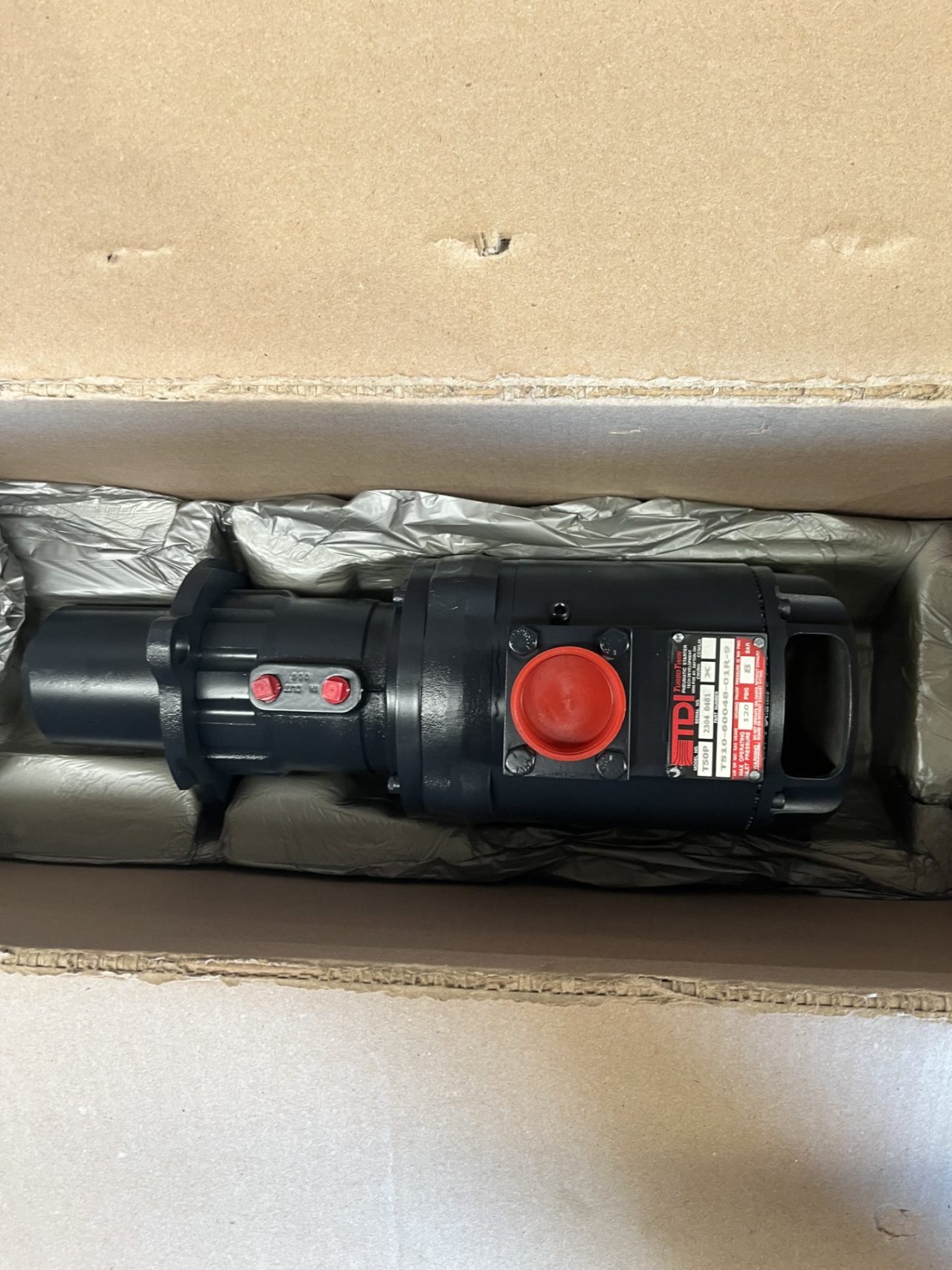
Air Starter Motors: When it comes to starting large diesel engines or heavy-duty industrial equipment, few solutions are as rugged, reliable, and explosion-proof as air starters. At MultiTorque, we specialise in supplying and servicing air starters across industries like mining, oil and gas, marine, and heavy transport. With more than 15 years of experience and a reputation for long-term client relationships, our team knows exactly what you need to keep your equipment running smoothly.

In this article, we’ll cover what air starters are, how they work, the advantages over electric alternatives, and why MultiTorque is Australia’s trusted partner for air starter supply, servicing, and support.


What Are Air Starters?

Air starters are mechanical devices used to start internal combustion engines—especially in heavy industrial machinery. Unlike electric starters that rely on a battery or generator, air starters use compressed air to initiate engine rotation. This makes them ideal for environments where explosive gases may be present or where battery-based systems are impractical.

They are commonly found in:

  • Diesel engines on mining and earthmoving equipment
  • Gas turbines
  • Generators
  • Offshore and marine engines
  • Petrochemical plants
  • Oil and gas drilling rigs

The design and application of air starters make them a critical component in any industry where downtime can mean a loss in productivity or safety risks.


How Do Air Starters Work?

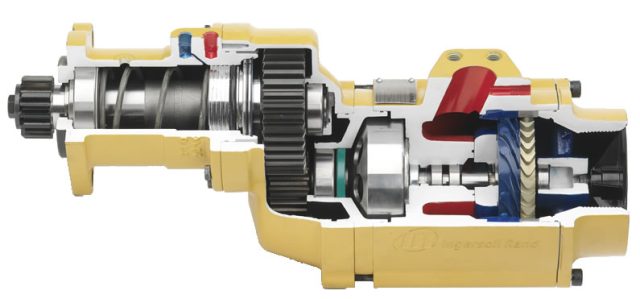
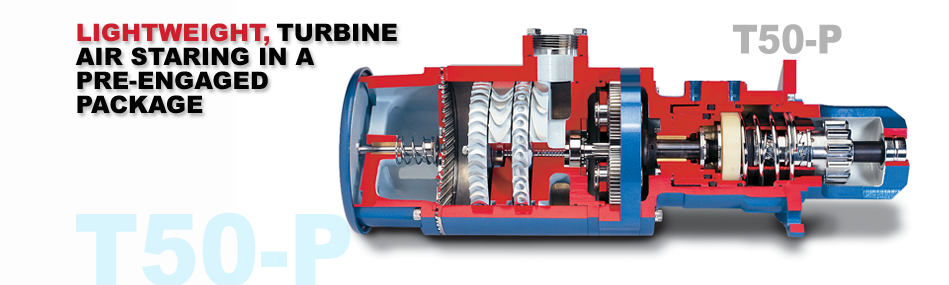
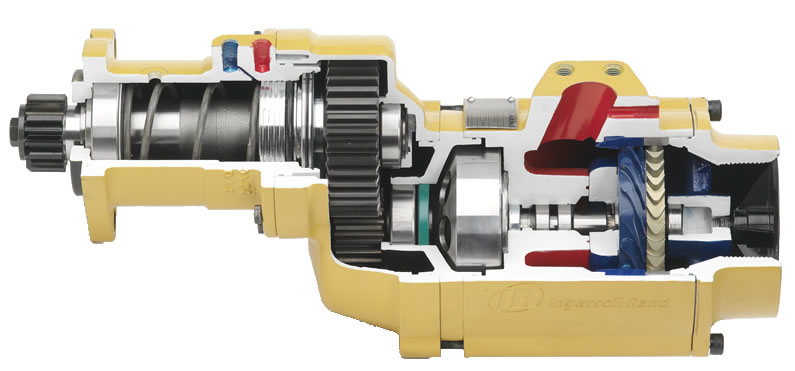
Air starters work by directing compressed air into a turbine or vane motor, which then generates the torque needed to turn the engine’s flywheel. As the flywheel spins, it initiates the engine’s combustion cycle, starting the engine.

Two main types of air starters exist:

  1. Vane-type air starters: Known for simplicity and high torque at low speeds.
  2. Turbine-type air starters: Ideal for high-speed engines, requiring less maintenance and offering longer lifespan.

Both types are rugged and reliable, and the choice between them depends on your specific engine and environment.

Air Starter Motors

Key Advantages of Air Starters

Here’s why air starters are often the preferred option in industrial applications:

1. No Risk of Ignition

Because they don’t use electrical currents, air starters are non-sparking and ideal for hazardous environments where flammable gases or vapours are present.

2. High Torque Output

Air starters generate instant torque, enabling them to start even large, high-compression engines reliably.

3. Durability & Longevity

Air starters are built to last, with fewer moving parts than electric starters. This means less maintenance, reduced wear and tear, and higher uptime.

4. Lightweight Design

Despite their heavy-duty performance, air starters are compact and lightweight, making them easier to install in tight engine compartments.

5. Fast Restart Time

Because they rely on compressed air, restarts can be immediate—especially valuable in emergency or high-frequency-use scenarios.

Air Starter Motors

Air Starter Applications Across Industries

At MultiTorque, we support clients across a wide range of industries that rely on air starters to keep their operations moving:

  • Mining & Construction: For haul trucks, loaders, and diesel power units.
  • Oil & Gas: On rig platforms, generators, and backup power systems.
  • Marine & Shipping: Where salt, vibration, and space constraints demand durable and compact systems.
  • Agriculture & Industrial Plants: Especially in remote areas with limited access to electric systems.

Why Choose MultiTorque for Your Air Starter Needs?

MultiTorque is a trusted name across Australia for supplying and servicing air starters. Here’s what sets us apart:

✅ Quality Brands

We supply premium air starter systems and components from industry-leading manufacturers known for their performance and durability.

✅ In-House Repairs & Rebuilds

We offer in-house workshop repairs, servicing, and rebuilds for air starters at our facilities in Brisbane and Perth. Our skilled technicians ensure your unit is properly assessed, repaired, and returned to peak condition—fast.

✅ Custom System Integration

Need air starters integrated into a broader hydraulic or pneumatic system? No problem. Our technicians can work with your team to deliver fit-for-purpose solutions that match your engine and application.

✅ Extensive Stock & Fast Dispatch

We stock a wide range of air starters and parts to minimise your downtime. From vanes and turbines to solenoids and valves, we’ve got what you need ready to go.

✅ Experienced Team

With over 15 years in the business, our team understands both the technical and practical sides of maintaining reliable starting systems.


Common Air Starter Services We Provide

  • Diagnosis and troubleshooting
  • Disassembly and full rebuilds
  • Supply of new air starters
  • Parts replacement (vanes, bearings, seals)
  • Custom mounting solutions
  • Ongoing maintenance contracts

We ensure each air starter that leaves our workshop meets stringent safety and performance standards.


Tips for Air Starter Maintenance

Even the most rugged equipment benefits from regular care. Here are some quick tips for maximising the lifespan of your air starter:

  • Use clean, dry compressed air: Moisture or contaminants can wear down internal parts.
  • Inspect regularly for leaks: Air loss can cause poor starting performance.
  • Schedule routine servicing: Preventative maintenance avoids costly downtime.
  • Replace worn parts early: Components like vanes and bearings wear naturally over time.

MultiTorque offers preventative servicing packages for clients wanting to avoid reactive repairs.

Air Starter Motors

Get in Touch

If you’re looking for high-quality air starters, professional servicing, or expert advice, contact the team at MultiTorque. Whether you’re replacing an old unit or integrating starters into a new project, we can help.

📞 Call us on 1300 726 525
📧 Email: sales@multitorque.com
🌐 Visit: www.multitorque.com.au
🔗 Connect on LinkedIn


Final Thoughts

Air starters are an essential part of any reliable industrial engine setup. When you choose MultiTorque, you’re choosing a partner that understands the high stakes of your operation—and delivers accordingly. With industry knowledge, top-tier brands, and unmatched workshop service, we’re here to help you power forward with confidence.

Looking for the right air starter solution? Reach out today—we’re ready to assist.

Air Starter Motors Air Starter Motors Air Starter Motors Air Starter Motors Air Starter Motors Air Starter Motors Air Starter Motors Air Starter Motors Air Starter Motors


pump skids

When it comes to streamlined fluid handling, pump skids are a game-changer. Compact, customizable, and built for efficiency, pump skids are essential across a range of industries including oil and gas, mining, agriculture, and manufacturing. If you’re looking for a reliable, all-in-one pumping solution, understanding pump skids is the first step toward boosting your operations.

What Are Pump Skids?

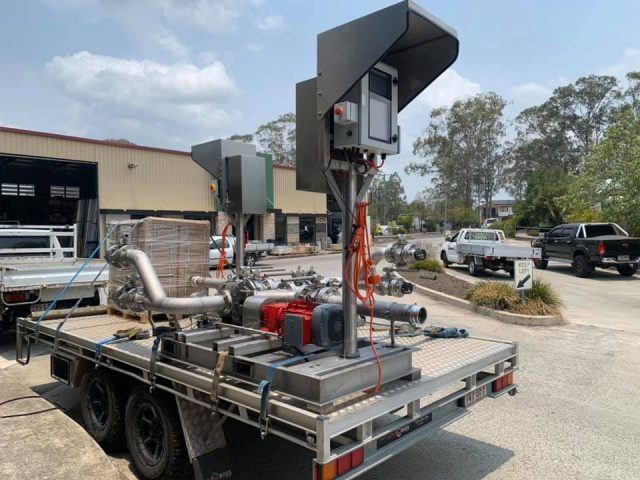
A pump skid is a complete pump system mounted on a frame or “skid” for easy transport and installation. Typically, a pump skid includes not only the pump itself but also the motor, piping, valves, and instrumentation necessary for operation. Everything is pre-assembled, meaning the skid arrives ready to integrate into your system with minimal setup.

Pump skids can be configured for various applications such as water transfer, chemical injection, slurry pumping, or fuel handling. They offer a compact, efficient, and modular solution compared to assembling all the components separately on-site.

Key Benefits of Pump Skids

Choosing pump skids for your project brings a range of advantages:

1. Easy Installation and Portability

Because pump skids are fully assembled and tested before they reach your site, installation is straightforward. Simply connect the skid to your system, and it’s ready to operate. The skid-mounted design also makes moving the equipment between sites easy, especially in industries like construction and mining where mobility is critical.

2. Customization to Fit Your Needs

Every operation is different, and pump skids can be customized accordingly. Whether you require corrosion-resistant materials, specific pump types (such as centrifugal or positive displacement), or unique control systems, a pump skid can be designed to meet your precise specifications.

3. Space Efficiency

In environments where space is at a premium, pump skids shine. Their compact design ensures maximum performance without taking up unnecessary room. This makes them ideal for offshore platforms, mobile water treatment systems, and tightly packed industrial plants.

4. Reduced Downtime

Since pump skids are factory-built and tested, there’s far less chance of installation errors that could lead to costly downtime. In many cases, pump skids are also easier to service because everything is organized neatly on the skid, allowing technicians quick access for maintenance and repairs.

Common Applications for Pump Skids

Pump skids are incredibly versatile. Some of the most common applications include:

  • Oil & Gas Industry: Used for chemical injection, crude oil transfer, and produced water treatment.

  • Mining: Ideal for slurry transfer, dewatering, and dust suppression systems.

  • Water Treatment Plants: Used for booster pumping, filtration, and dosing chemicals into water supplies.

  • Agriculture: Facilitating irrigation, fertiliser injection, and waste management.

  • Manufacturing: Handling cooling water, lubricants, and process chemicals.

No matter the industry, pump skids provide a reliable, efficient solution to move fluids safely and effectively.

Choosing the Right Pump Skid

When selecting a pump skid, it’s important to consider:

  • Flow rate and pressure requirements: The pump must meet your system’s demand.

  • Fluid properties: Viscosity, abrasiveness, and chemical makeup affect pump selection.

  • Environmental conditions: Outdoor installations may require weatherproofing, heating elements, or explosion-proof components.

  • Ease of maintenance: Look for designs that offer simple access to serviceable parts.

Working with a reputable supplier ensures you get a pump skid that’s designed not just for today’s needs but future scalability as well.

Trust MultiTorque for Your Pump Skid Solutions

At MultiTorque, we specialize in delivering custom pump skids built to the highest standards. Whether you need a standard setup or a fully engineered custom solution, we’ve got you covered. Our team takes the time to understand your project, ensuring your pump skid arrives ready to work hard and last long.

Want to talk to a real expert about the best pump skid for your job? Call us today at 1300 726 525 or email sales@multitorque.com. Let’s move your project forward with the reliability and efficiency you deserve.

Call 1300 726 525 or email sales@multitorque.com to speak with the experts.

💼 Connect with us on LinkedIn: https://www.linkedin.com/company/multitorque

Home

pump skids